Shared Apartment Laundry Room: Washer and Dryer Checklist
Using a shared apartment laundry room? Check washer and dryer instructions, payment, detergent, load limits, and building rules before you start.
Published by Eco Tiny Living Hub
Reviewed under our editorial and corrections policy.
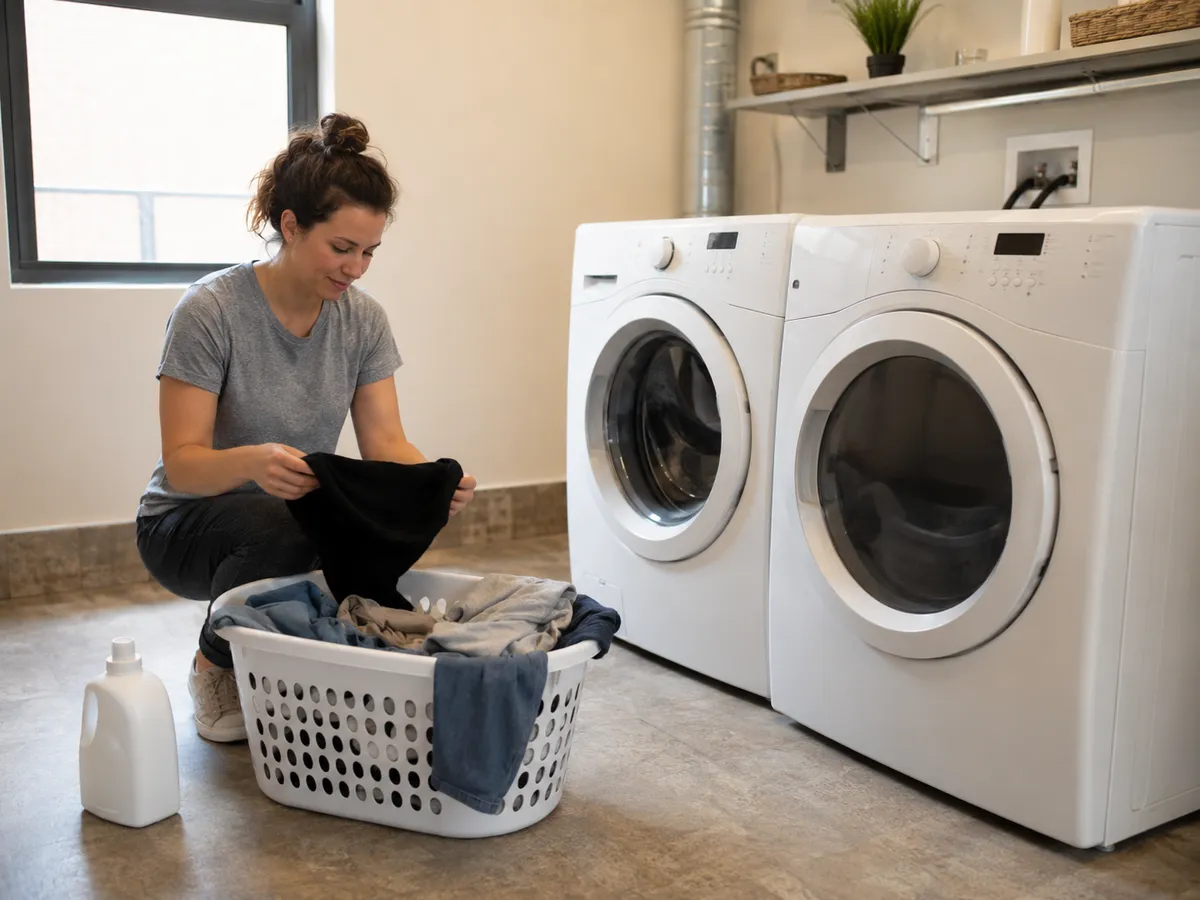
Before using a shared apartment washer or dryer, check the posted instructions, payment method, permitted detergent, load limits, and how to report a problem. Start with the checklist below, then use the machine-specific guidance for your building.
Quick shared washer and dryer checklist
- Read the laundry-room hours, payment instructions, and posted building rules.
- Check the machine's instructions for detergent, load size, and cycle selection.
- Look for visible damage, leaks, missing parts, or a notice that the machine is out of service.
- Keep the doorway, walking route, and space at the controls clear.
- For a dryer, follow posted instructions for the accessible lint screen; leave panels and internal vents to qualified maintenance.
- Know who to contact if a machine fails or another load blocks access.
What is a shared apartment laundry room?
A shared laundry room is a space where multiple households use the same washers and dryers instead of having machines inside each apartment. Access, payment, hours, and equipment vary by building. Read your building's instructions rather than assuming another laundry room works the same way.
What this check can and cannot determine
Use the check to notice instructions, visible condition, access, and the next reporting step. A checklist organizes decisions; it does not guarantee availability, safety, cleanliness, or a result.
Read posted building and machine instructions first
Posted building procedures and the machine manufacturer’s manual control operation. Check the permitted detergent, load size, cycle, payment, hours, and reporting route before adding clothing or products.
Check visible damage, leaks, missing parts, or abnormal operation
- Pause when a machine is visibly damaged, leaking, incomplete, or behaving abnormally.
- Do not dismantle, repair, service, vent, or internally clean a building-owned machine.
- Report the condition to management or the qualified service contact named by the building.
Confirm detergent and load requirements
Follow the machine and product instructions. Some washers require high-efficiency detergent; do not infer the right amount, product, or cycle from a different machine. Keep products in their original containers.
Check the dryer lint screen without performing building maintenance
Where posted procedures permit an ordinary user check, look at the accessible lint screen before a cycle and follow the machine instructions. Do not open panels, clean internal vents, or assume a renter is responsible for fire-safety maintenance.
Keep laundry products in original containers and account for shared space
Keep detergent and other products closed, labeled, and away from children and pets. Follow posted procedures or contact management when a completed load blocks access. Do not assume permission to handle another household’s belongings.
For shared-laundry etiquette, leave access routes clear, keep your supplies together, and return when your cycle finishes if you can. Check whether the building has a procedure for completed loads or unavailable machines. Ask management when the rule is unclear instead of inventing a rule for other tenants.
Before leaving home, use the laundry transport plan for apartments without an in-unit washer to check what you can carry and how to manage the route.
Between loads, plan where laundry waits in a studio apartment and review your holding space.
For supplies at home, read storing laundry products in a small apartment while keeping the product labels available.
Adapt for reach, grip, fatigue, and repeated trips
Clear floor space, reachable controls, one-handed use, limited grip force, mobility devices, fatigue, and repeated carrying can change what is workable. Buildings, construction dates, and legal coverage vary; ask management about an accessible option or accommodation when needed. This article does not declare legal compliance.
Stop conditions and when to report a problem
Stop when instructions are missing, the machine leaks or is damaged, access is blocked, ownership is unclear, a child or pet could reach a product, or the next step requires repair or maintenance. Use the building’s reporting process or qualified guidance.
Sources and editorial limits
Machine manuals, product labels, building procedures, and qualified service guidance control specific operation. U.S. Fire Administration and CPSC materials provide general dryer-fire information; they do not make this checklist a fire-prevention guarantee. Access Board guidance describes accessibility concepts, not a legal finding about a particular building.
See the U.S. Access Board clear-floor guidance and use current machine instructions for the equipment in front of you.
Read ETLH’s apartment systems guide for renter-controlled boundaries, not machine-safety authority.
Found something we should correct?
Send the article title, the passage in question, and any supporting source through our contact page. Material corrections will be made transparently.