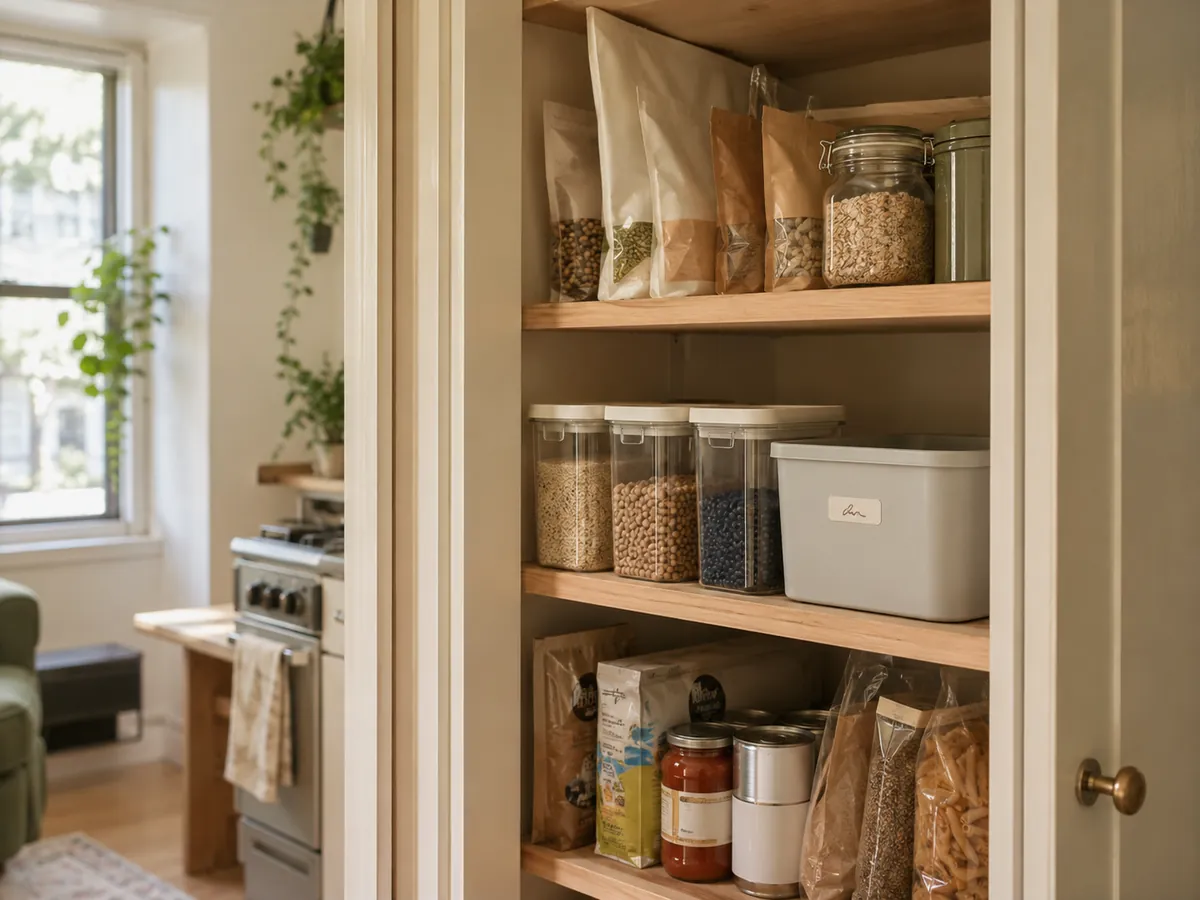
Zero-Waste Kitchen·
Food Labels and Storage in a Small Apartment: What to Keep Visible
Preserve useful product and package information when limited storage, shared shelves, or optional food transfers separate food from its original label.
Practical guides, renter-friendly systems, and simple Eco Steps to help you make your home feel lighter, calmer, and more aligned with what matters.

Set up a home that works for you without treating a giant shopping list as a requirement. Decide what to buy now, what can wait, and what you already have, share, or borrow.
A home, not a shopping haul.
No account, payment, or email required. The planner does not send your entries to ETLH. Saving on your browser is optional and does not sync across devices.
Three core areas to help you build a sustainable apartment, one small win at a time.
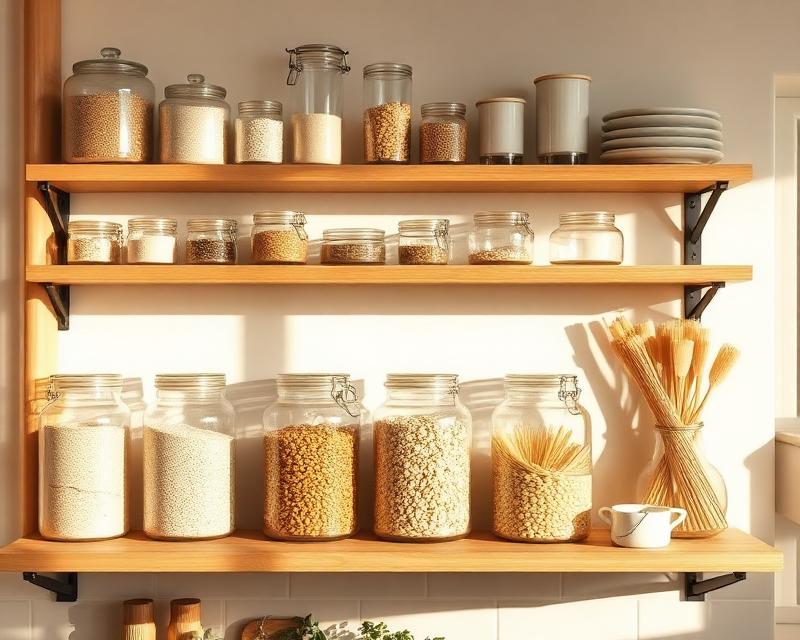
My kitchen feels wasteful
Start with apartment food-scrap odor and fruit-fly troubleshooting, then explore food visibility, low-waste routines, and purchase decisions for a small kitchen.

My small space feels cluttered
Eco friendly small apartment decor on a budget — thrifted finds, renter-safe upgrades, sustainable storage solutions, and cozy styling that doesn't cost the earth.

I want sustainable habits that actually stick
Low waste lifestyle habits for small spaces. Simple, beginner-friendly routines and swaps that build a sustainable living apartment without overwhelm.
Featured guide
Start with 20 practical sustainable habits for renters and small apartments, including five no-buy actions that use what you already own.
Read the guideA two-page planning sheet that helps you notice one recurring friction point, choose a realistic Eco Step, and review what happened without scoring yourself.
The resource is available without signing up. Email is optional for practical ETLH notes and future resource updates.
Plan the trip to a shared washer, check the machine before a cycle, and find a place for laundry between loads.
Fresh ideas for your sustainable journey.
Preserve useful product and package information when limited storage, shared shelves, or optional food transfers separate food from its original label.
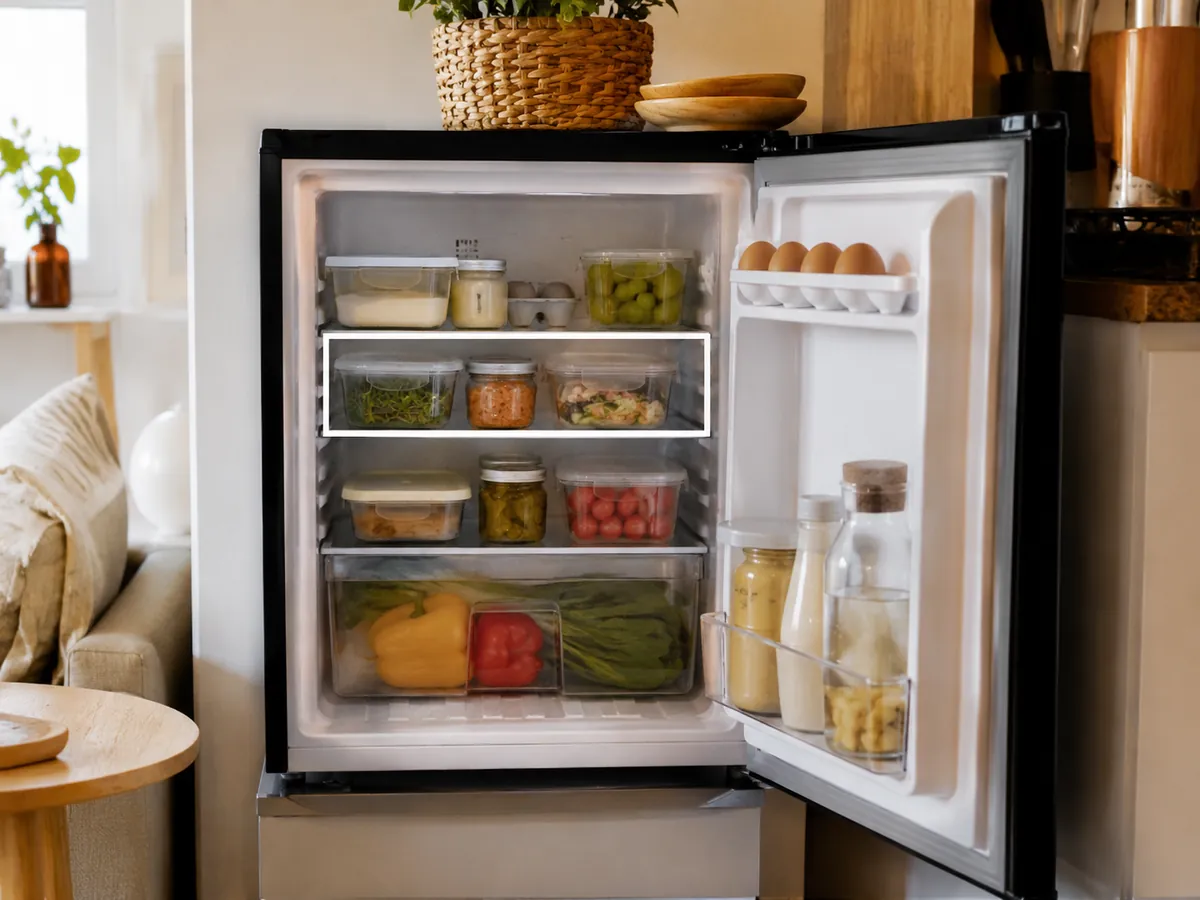
Decide whether a refrigerator, freezer, or combined appliance fits your first apartment, then use a bounded eat-first check for food you already own.
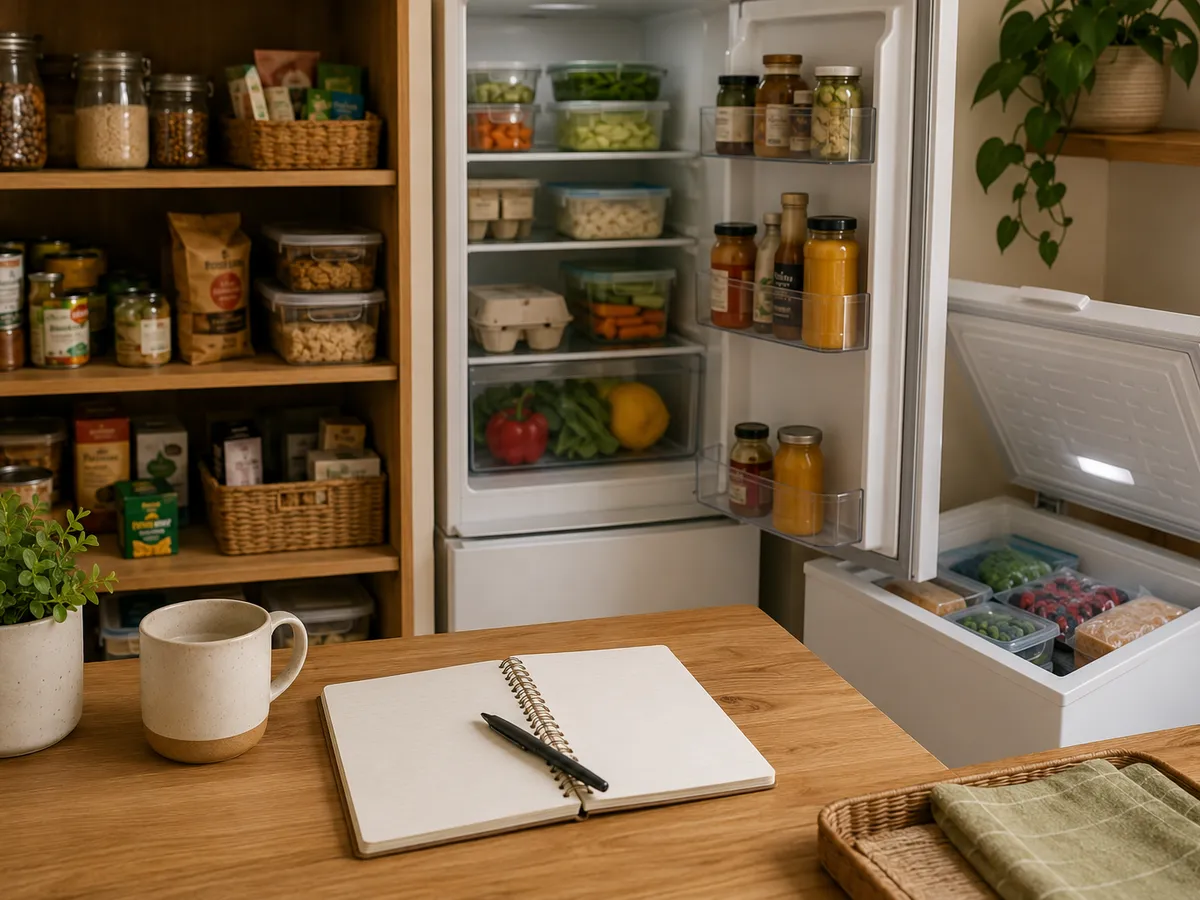
Review one bounded set of pantry, refrigerator, or freezer items before adding more food, without turning visibility into a safety or waste promise.
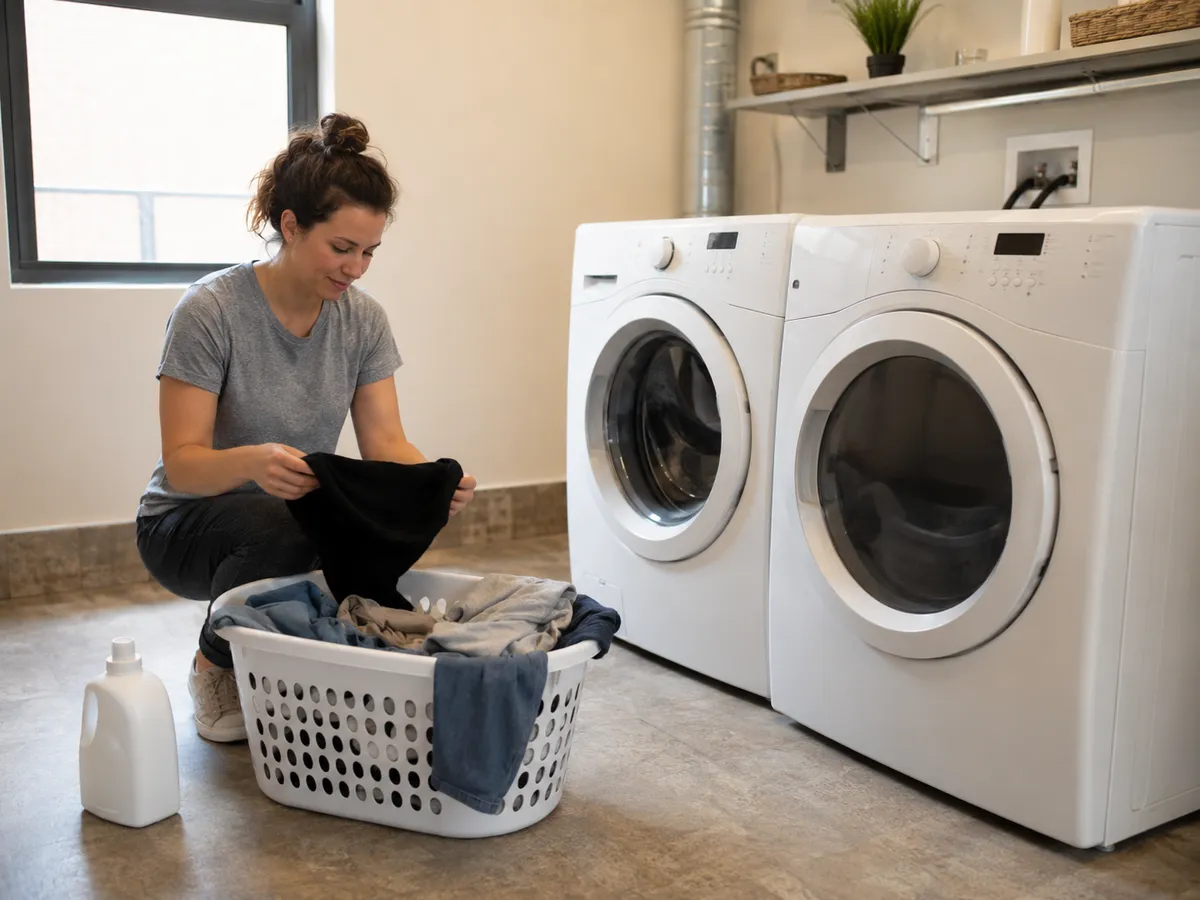
Using a shared apartment laundry room? Check washer and dryer instructions, payment, detergent, load limits, and building rules before you start.
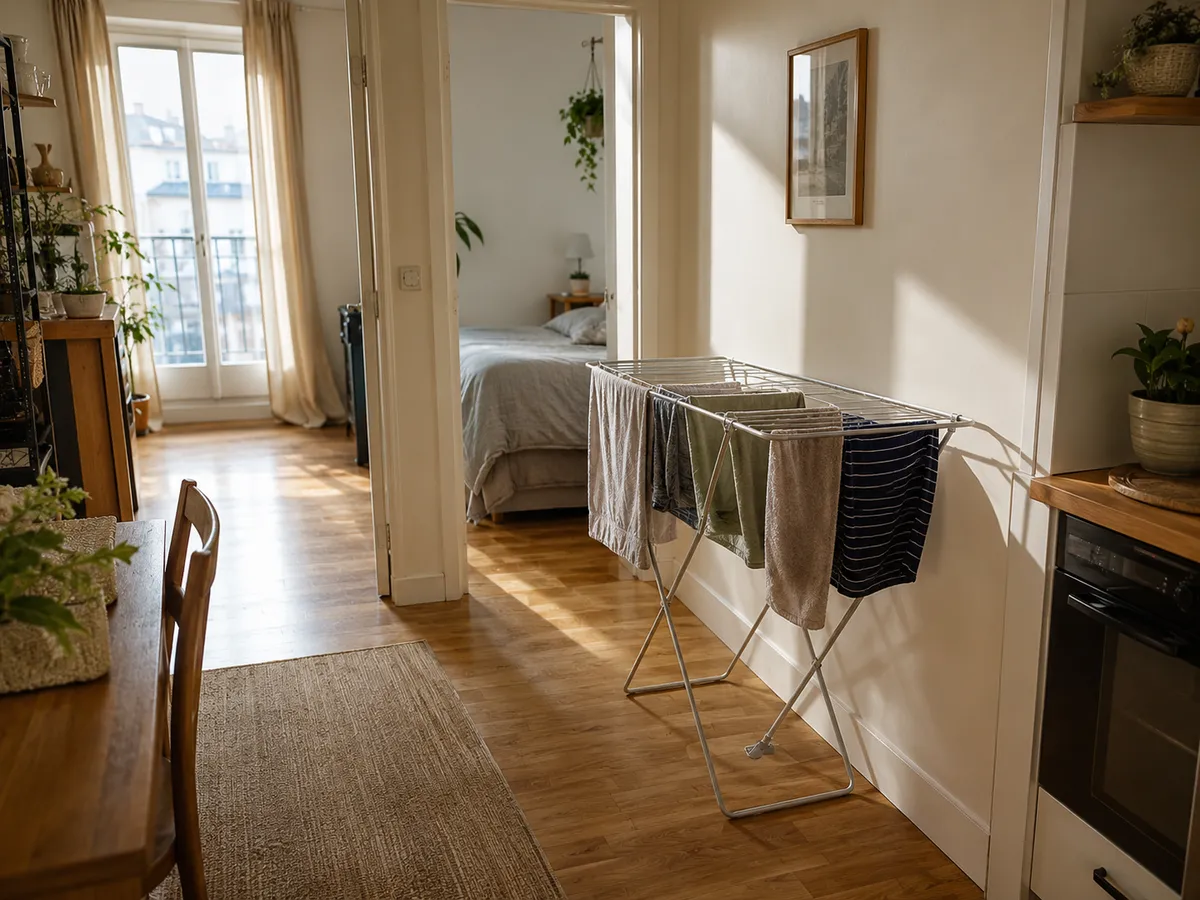
Test one temporary indoor drying location around care labels, doors, walkways, heat sources, ventilation, and building rules without promising faster drying or mold prevention.

Trace one laundry route from your apartment to a shared machine or laundromat, then adjust the load for the path, weather, rules, and your current capacity.