Zero-Waste Kitchen·
Food Labels and Storage in a Small Apartment: What to Keep Visible
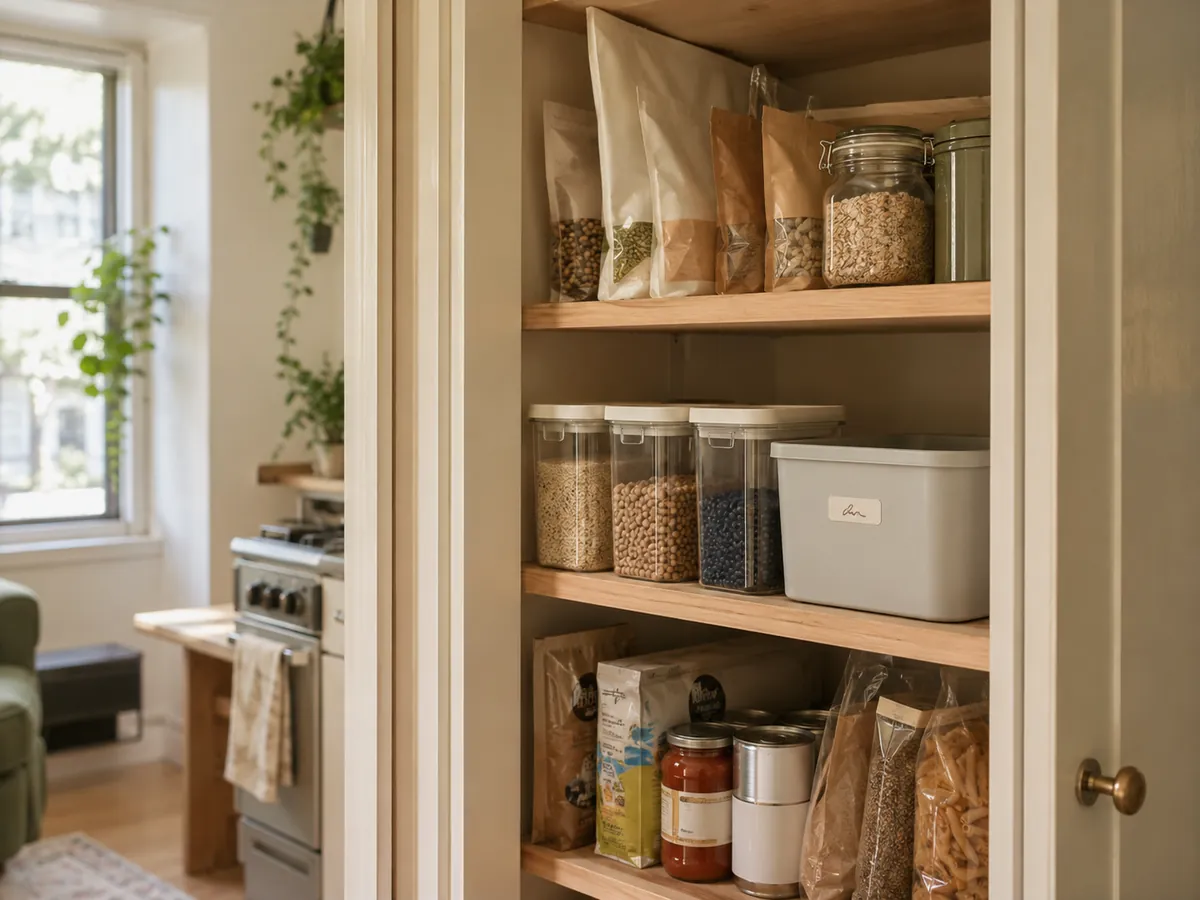
Preserve useful product and package information when limited storage, shared shelves, or optional food transfers separate food from its original label.
Browse beginner-friendly guides for renters and small-apartment dwellers.
Preserve useful product and package information when limited storage, shared shelves, or optional food transfers separate food from its original label.
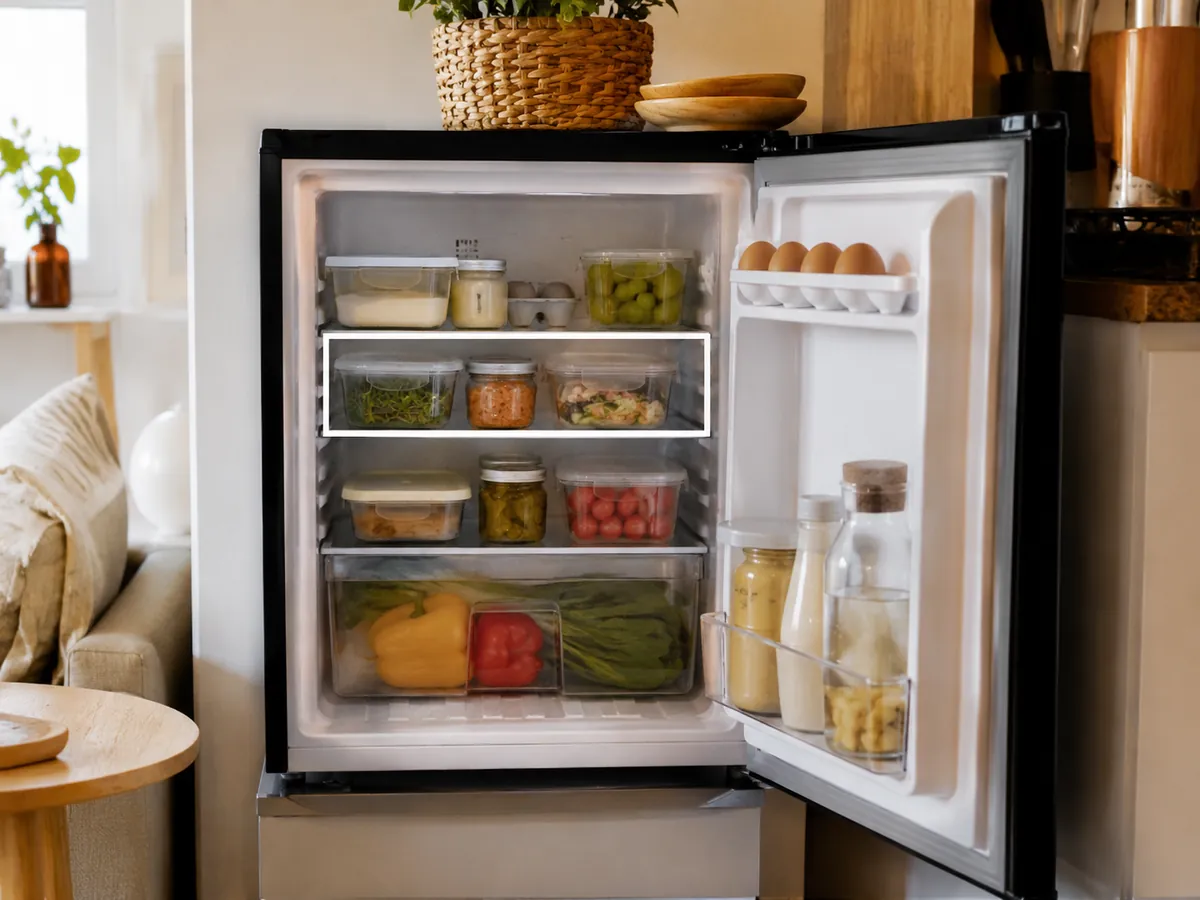
Decide whether a refrigerator, freezer, or combined appliance fits your first apartment, then use a bounded eat-first check for food you already own.
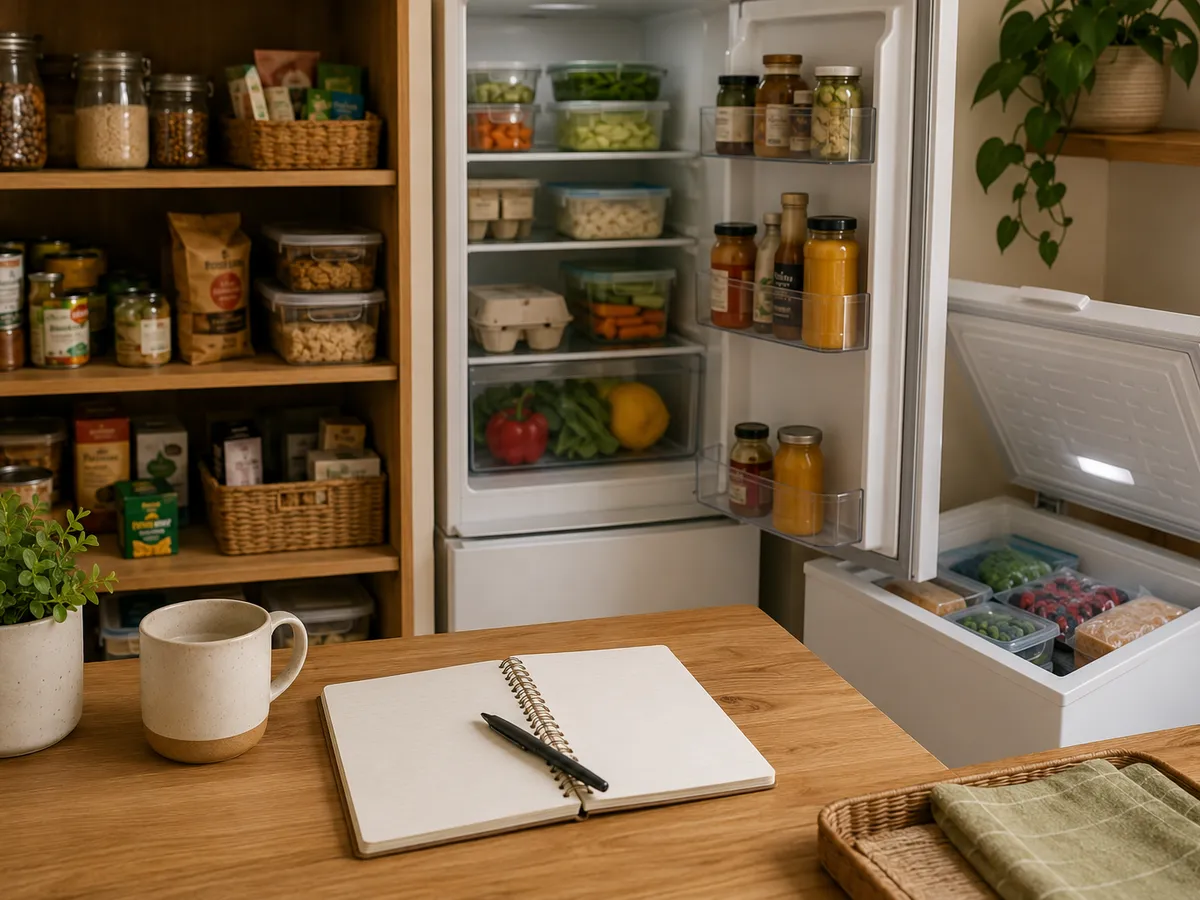
Review one bounded set of pantry, refrigerator, or freezer items before adding more food, without turning visibility into a safety or waste promise.
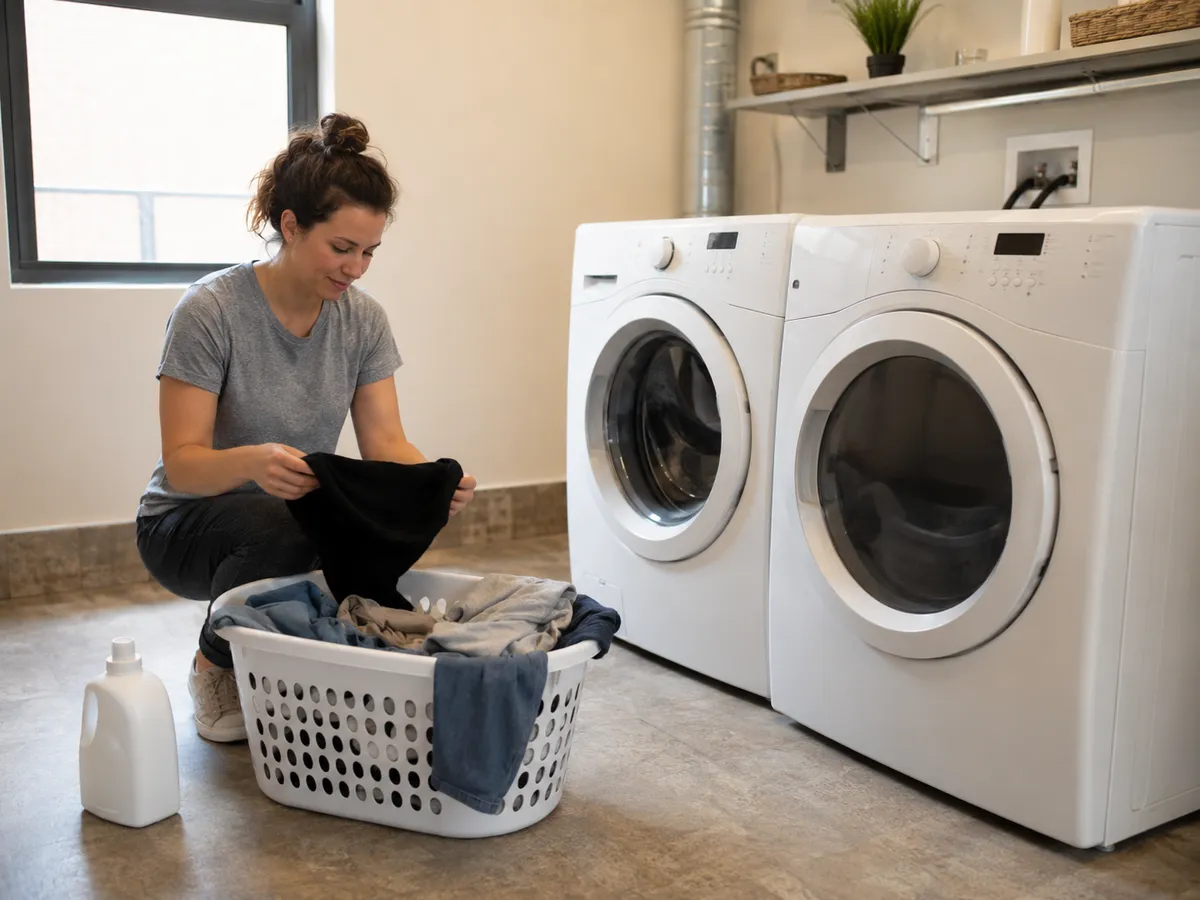
Using a shared apartment laundry room? Check washer and dryer instructions, payment, detergent, load limits, and building rules before you start.
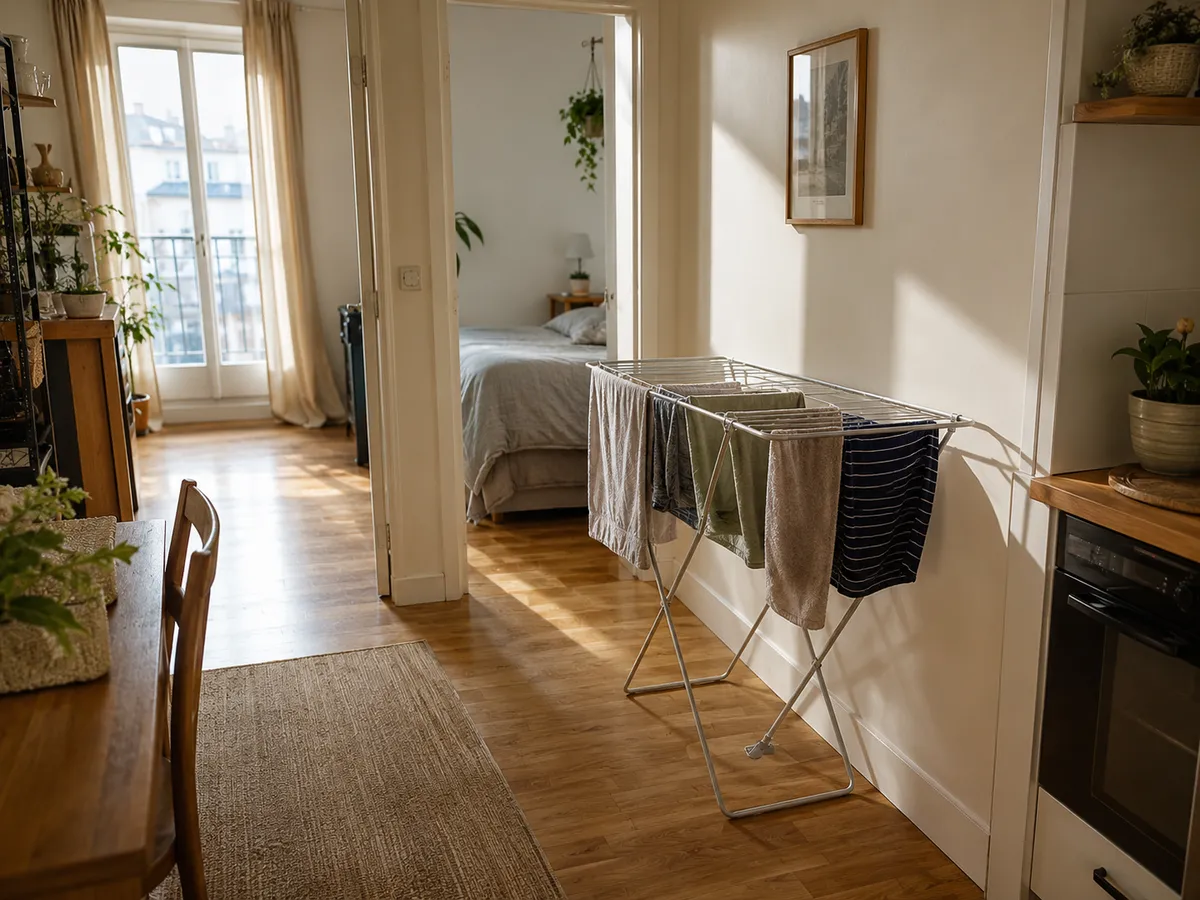
Test one temporary indoor drying location around care labels, doors, walkways, heat sources, ventilation, and building rules without promising faster drying or mold prevention.

Trace one laundry route from your apartment to a shared machine or laundromat, then adjust the load for the path, weather, rules, and your current capacity.
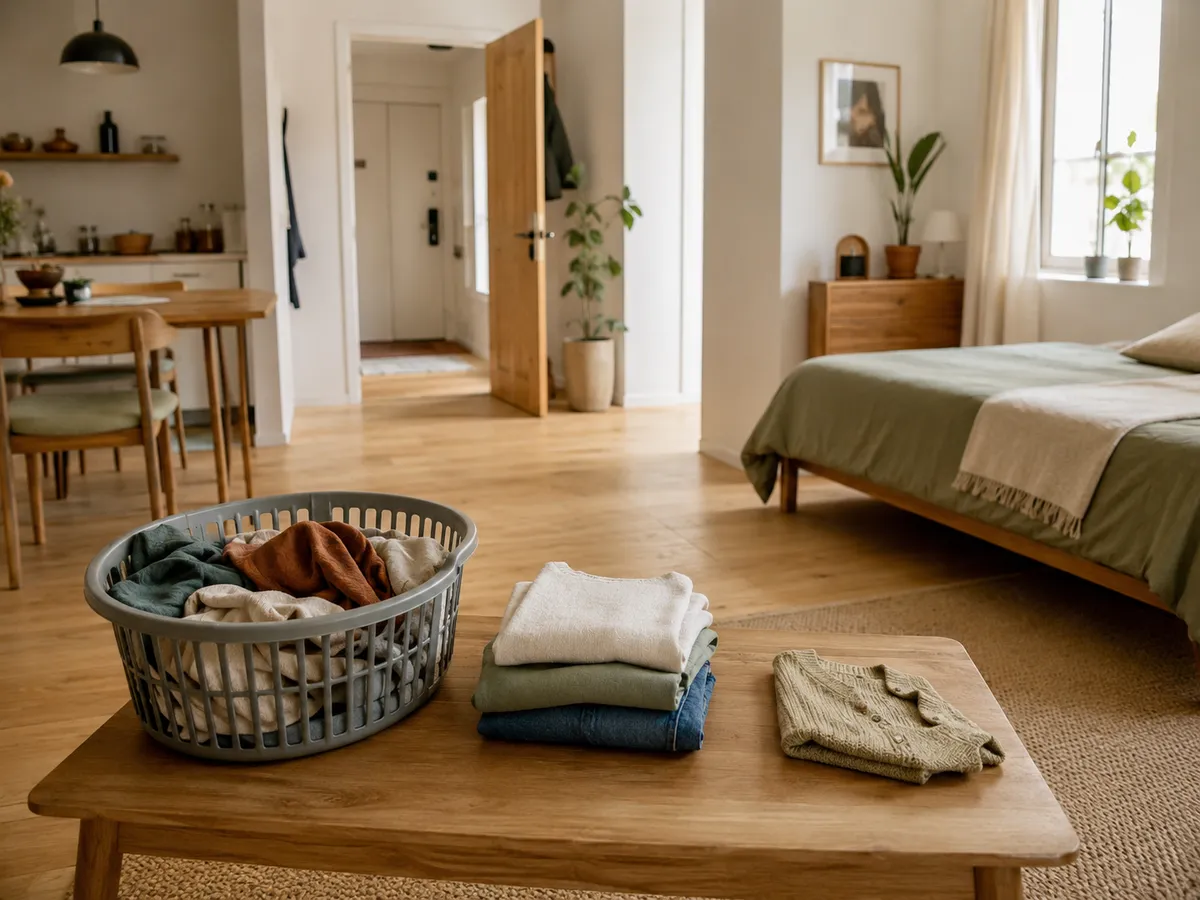
Choose one temporary, reversible place for each laundry stage while preserving movement, appliance access, care instructions, and household boundaries.
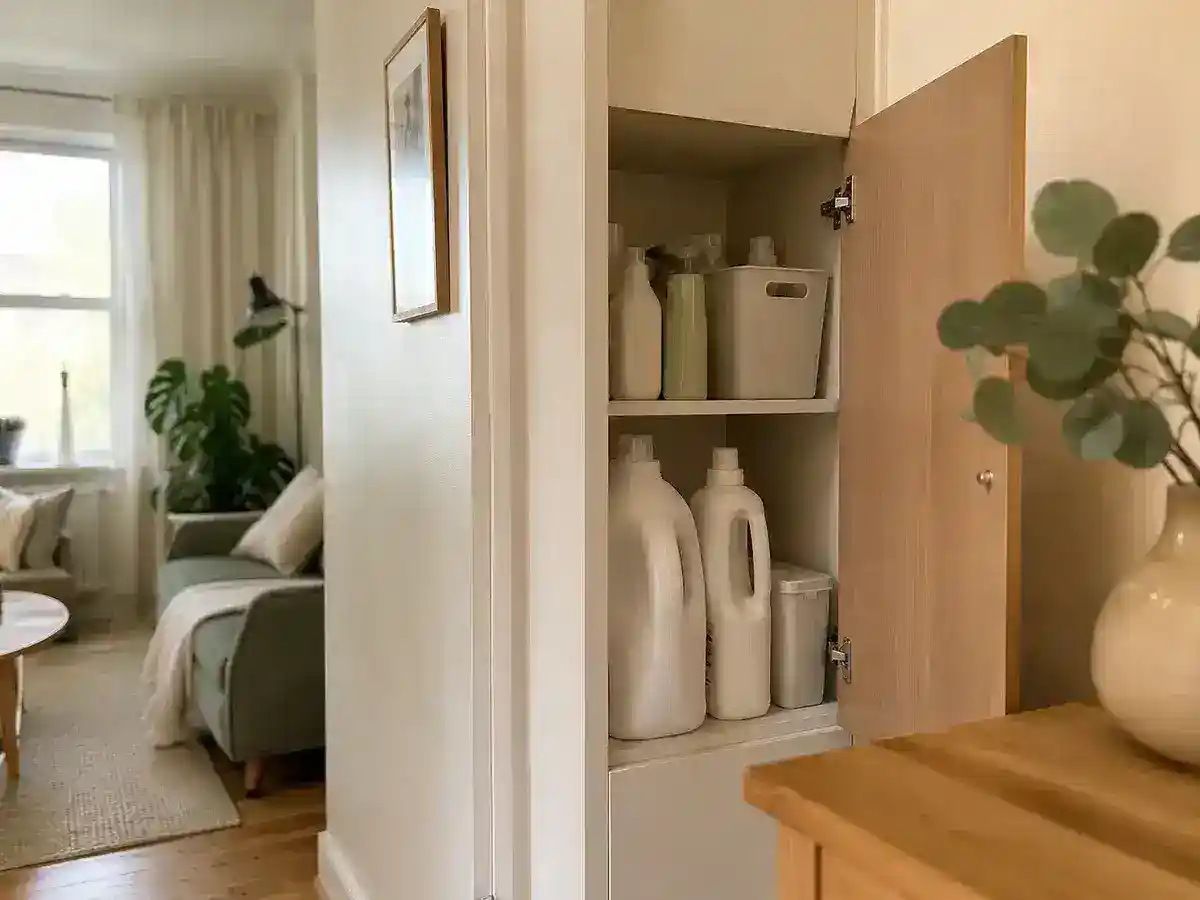
Review one proposed laundry-product storage location for original containers, labels, household access, moisture, heat, and circulation without calling it childproof or universally safe.
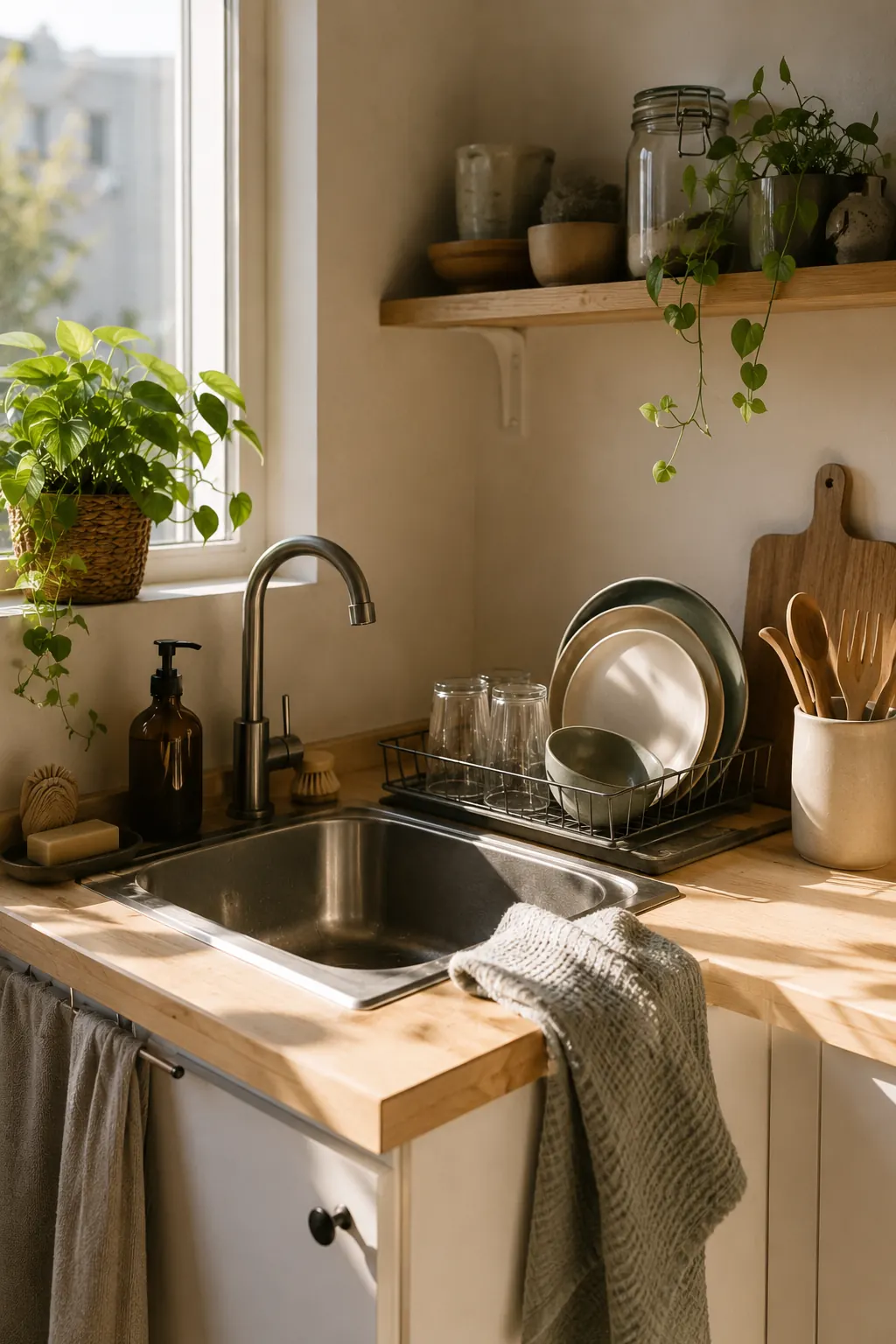
No dishwasher and little counter space? Plan where dishes wait, wash, dry, and return to storage with a practical small-kitchen checklist.
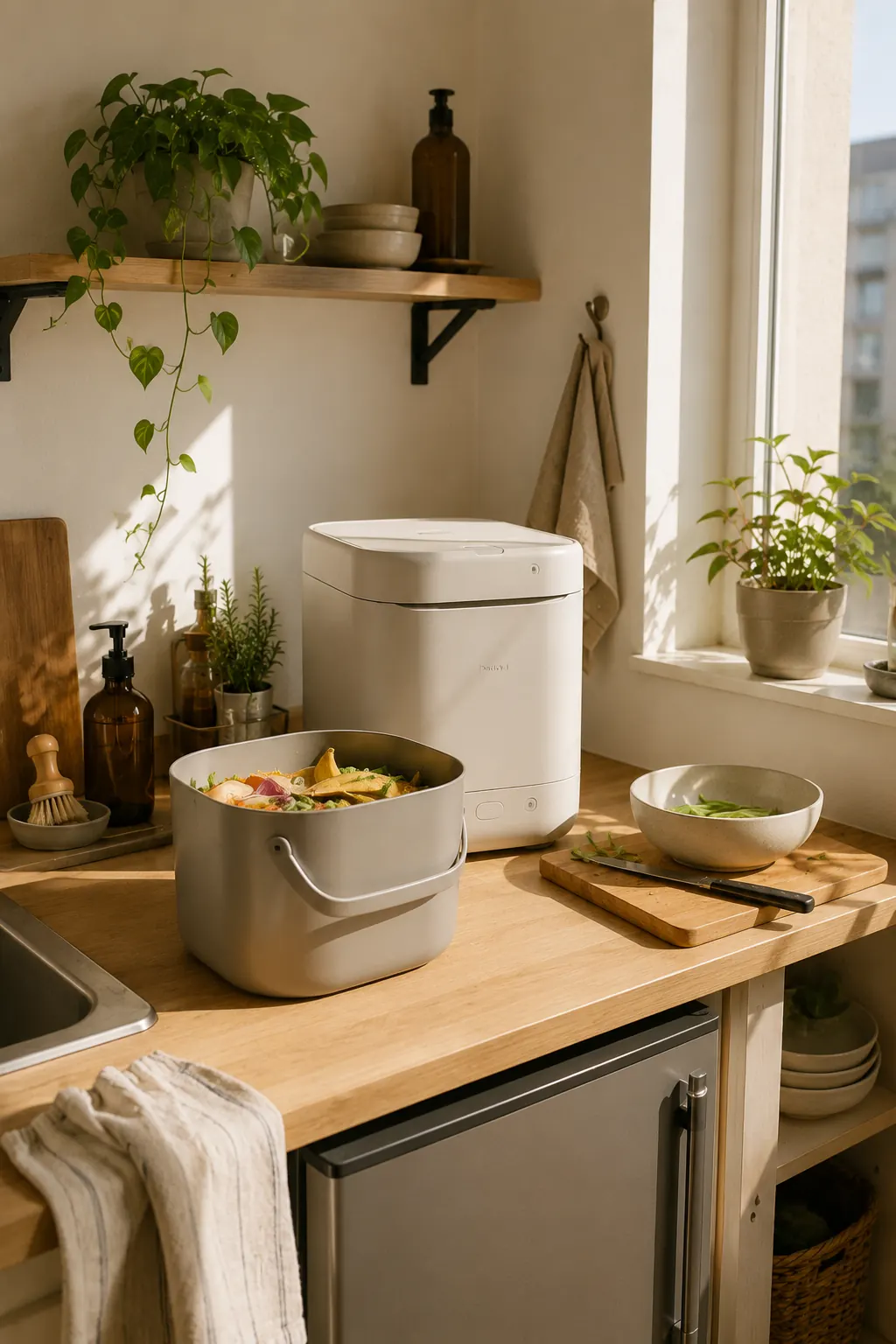
Use a neutral evaluation framework for countertop food-waste appliances: what they do, what they leave for you to handle, and when not to buy one.
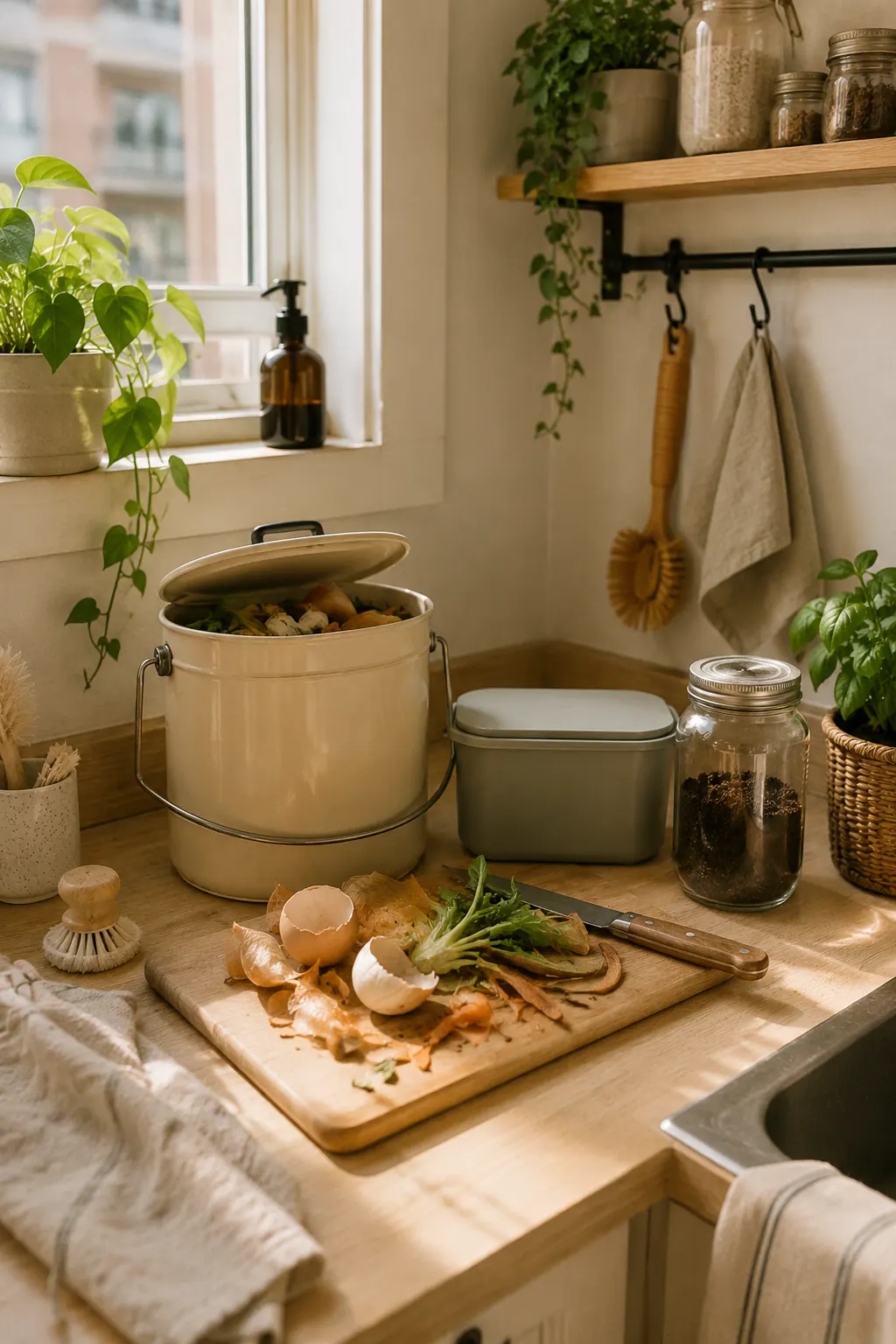
Compare collection, temporary storage, handoff, active processing, and appliance treatment so you can decide whether a food-scrap system fits your apartment now.

Notice recurring extra steps in an everyday routine, then test one small arrangement change without assuming a result.

Plan a small living room around fixed constraints, walking paths, furniture footprints, and reversible layout tests before buying or installing anything.

Inspect one room, choose one reversible reset, and stop when the change fits your space, lease, energy, and household.
Use an illustrative room scenario to organize layout, storage, lighting, and purchase-pause decisions without treating it as a documented transformation.
Review low-waste practices by what you already own, what you control, and what fits your household, access, and local services.
Start with 20 practical sustainable habits for renters and small apartments, including five no-buy actions that use what you already own.
Map apartment routines by what you control, what needs household agreement, and what depends on building, utility, or local services.
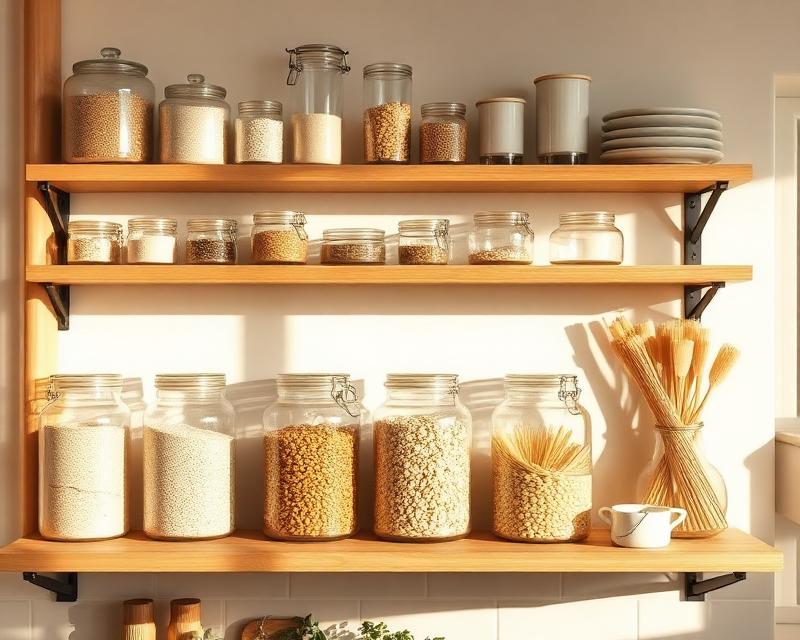
Use visibility, simple zones, and a review routine to plan a small pantry around the food and storage you have.

Review practical inventory, leftover, freezing, labeling, portioning, and composting habits with safety and local limits in mind.
Evaluate nine kitchen swaps by replacement timing, local cost, expected use, care needs, and what you already own.
Use a paced checklist to choose renter-controlled actions without assuming a fixed budget or requiring a purchase.
Reset a smelly food-scrap bin, address fruit flies, and choose a counter, fridge, freezer, worm-bin, or bokashi routine that fits your apartment.
Compare reuse, secondhand, layout, lighting, plant, and removable-decor options against your room, lease, household, and budget.
A low-pressure starting checklist for renters and small-apartment dwellers: choose one manageable action, use what you have, and check the constraints first.