Small-Apartment Decor on a Budget: Sourcing and Fit Considerations
Compare reuse, secondhand, layout, lighting, plant, and removable-decor options against your room, lease, household, and budget.
Published by Eco Tiny Living Hub
Reviewed under our editorial and corrections policy.
Start with the function the room needs rather than an assumption that buying decor will improve it. Rearranging, cleaning, repairing, borrowing, or repurposing an item already present may be enough; no sourcing channel or material guarantees savings or an environmental result.
Define the need and measure first
- Name the function first, such as task lighting, concealed storage, seating, privacy, or a place for one frequently used item.
- Measure the available width, depth, height, door path, and any clearance needed for walking, mobility aids, vents, outlets, windows, or maintenance access.
- Check whether something already owned can be moved, repaired, refinished safely, or used differently before adding another item.
- Set a household-specific spending limit that includes pickup, transport, cleaning, repair, hardware, delivery, taxes, and disposal where relevant.
Compare sourcing options
Estate sales, thrift stores, online marketplaces, reuse shops, borrowing networks, and gifting groups offer different inventories and access. None is a universal winner for price, quality, safety, transport, accessibility, or availability.
- Confirm dimensions, material, condition, odors, stains, structural damage, missing hardware, recalls, cleaning needs, and return terms before committing.
- For upholstered, wood, or stored goods, inspect for pests or evidence of infestation and use local public-health guidance when uncertain.
- Plan safe pickup, lifting, stairs, vehicle fit, delivery, and help without assuming a car or physical ability.
- Compare the total usable cost with repair, borrowing, using an existing item, or waiting rather than treating a low listing price as the full cost.
Evaluate a plant for the household
A plant is optional decor and a living care commitment, not a measured substitute for a dollar amount of furnishings. Choose a species only after checking its light, water, temperature, space, pot, drainage, travel-care, allergy, and pet or child safety needs.
For homes with animals, check the exact species in the ASPCA toxic and non-toxic plant reference and contact a veterinarian or poison-control service for exposure concerns.
Check lease, surface, and load limits
No adhesive, hook, rod, lamp, shelf, or wall covering is universally renter-safe. The lease or building rule and the product's approved surface, span, load, installation, electrical, and removal instructions remain controlling.
- Prefer freestanding or existing-item layouts when they meet the need without attaching to a finish.
- Use adhesive products only on manufacturer-approved surfaces and loads, after any required cure time and a discreet compatibility test; plan for removal and possible repair.
- Use a floor or plug-in lamp only with a suitable outlet, cord path, bulb, stability, clearance, and household safety plan.
- Use a tension rod only within its rated span and load on compatible surfaces; do not place heavy, breakable, toxic, or watering-dependent items where a fall could harm people, animals, or property.
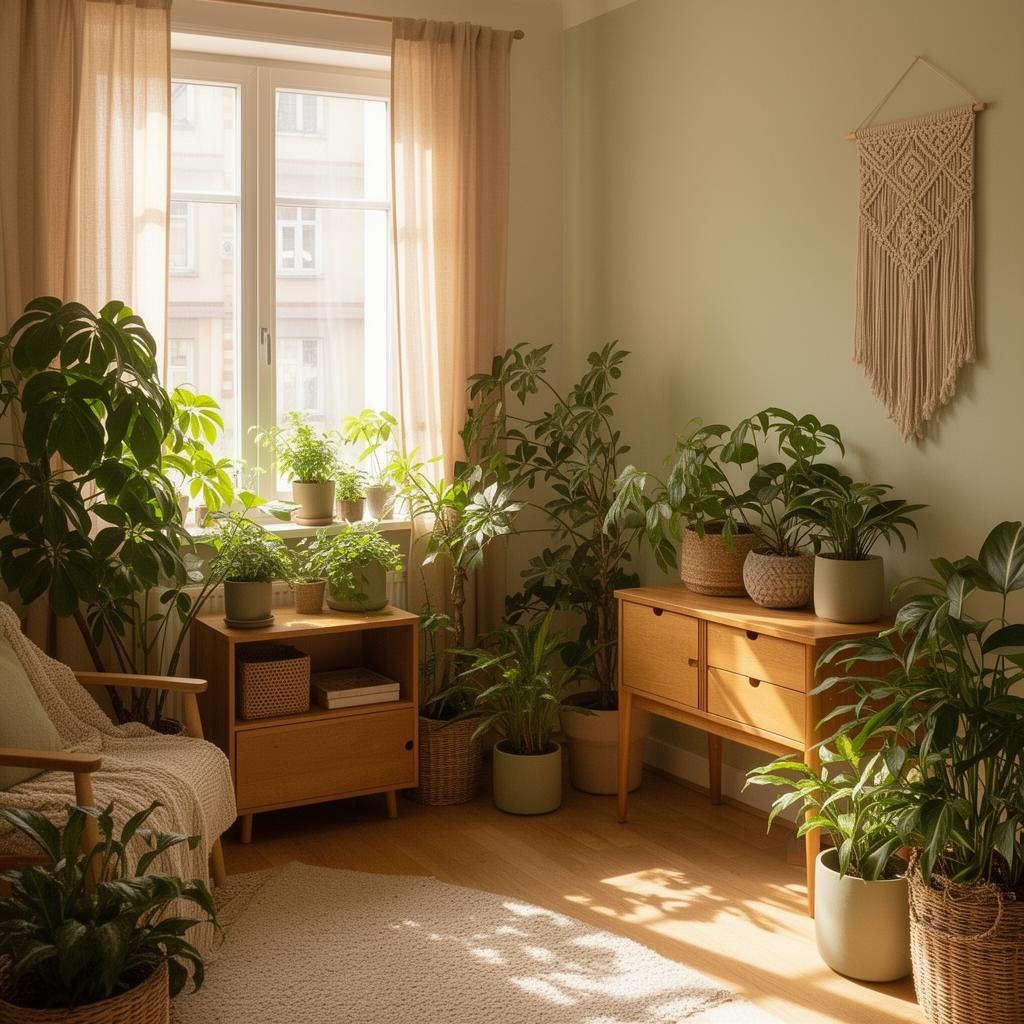
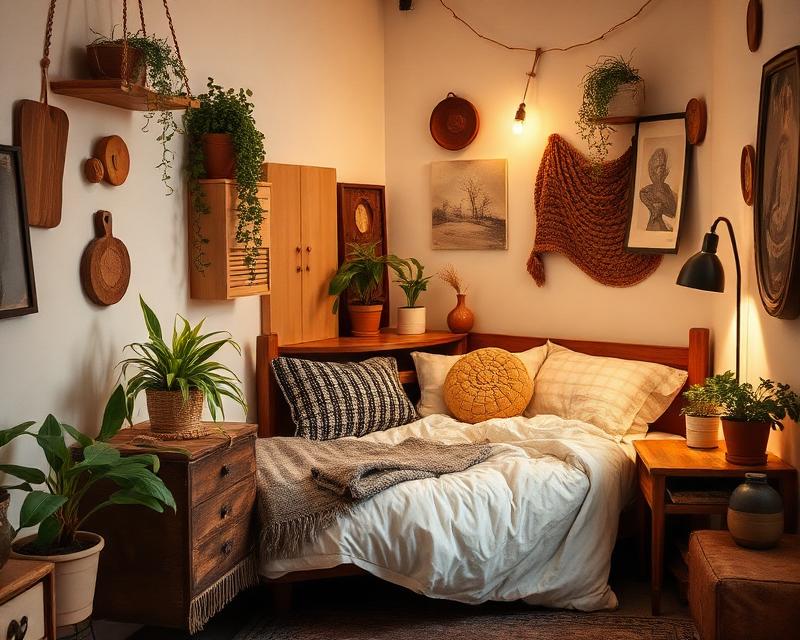
Use the illustrative small-room reset plan to compare layout and existing-item changes without treating imagery as a documented project.
For optional pacing across household changes, continue with the 30-day small-apartment eco step checklist.
Choose only the changes that fit the room, lease, household, access, and total cost. A secondhand item, plant, or removable product is not automatically cheaper, safer, renter-approved, or environmentally preferable.
Found something we should correct?
Send the article title, the passage in question, and any supporting source through our contact page. Material corrections will be made transparently.