11 Low-Waste Kitchen Habits for Using Food More Fully
Review practical inventory, leftover, freezing, labeling, portioning, and composting habits with safety and local limits in mind.
Published by Eco Tiny Living Hub
Reviewed under our editorial and corrections policy.
Food can be difficult to track in a small kitchen, especially when packages, leftovers, and ingredients compete for limited storage. These practices are options for making food easier to see and plan around; they do not guarantee savings or a measured reduction in waste.
Review the 11 sections and choose only what fits your food, storage, appliances, schedule, dietary needs, physical access, and household. Most suggestions use what you already have, and food-safety or package directions take priority.
Why Low Waste Kitchen Habits Matter
At home, overbuying, poor storage, and forgotten leftovers can leave usable food uneaten. The practical goal of this guide is narrower: make ingredients easier to see and use before they spoil.
Inventory, labels, visible storage, meal planning, prompt chilling, and local food-scrap rules address different parts of the process. None is a universal solution, so start with the point where food is currently becoming hard to find, store, or use safely.
Check What You Have Before Shopping
A quick inventory can show what is already available before you make a shopping list. It is a planning aid, not proof that every visible item is safe or suitable to use.
- Check the refrigerator, freezer, and pantry when you are able, including labels and storage directions for foods you may use soon.
- Choose meals that fit safe ingredients already present, then list any missing items you decide are necessary.
- Use a phone note, paper list, or another reminder that is accessible to the people who share food planning.
Make a Use-First Area
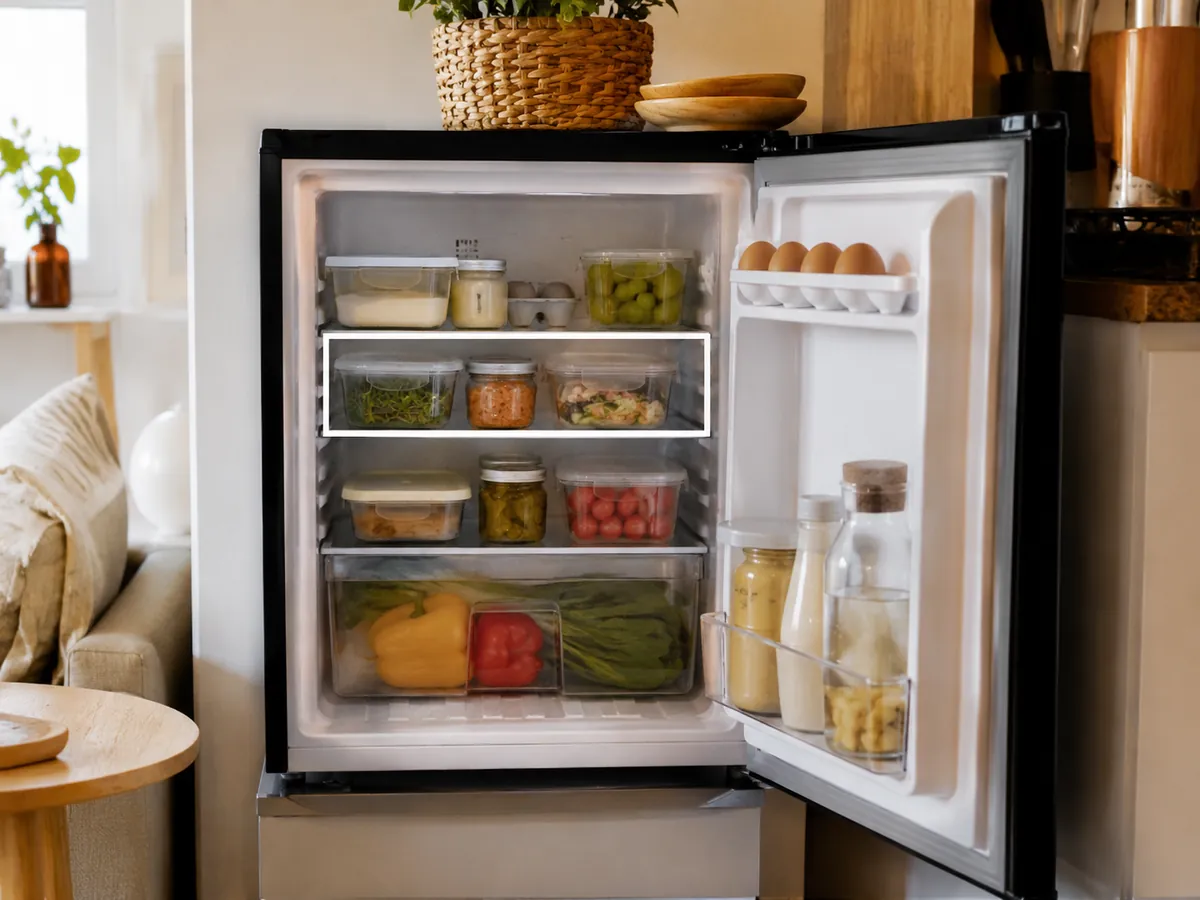
If space and reach allow, one shelf area, bin, or written list can keep selected foods visible. A use-first area does not override storage instructions, recalls, signs of spoilage, or food-safety limits.
- Choose a location you can reach and see without blocking refrigerator vents or crowding foods that need cold airflow.
- Keep food in suitable packaging or containers, and retain allergens, lot codes, preparation details, date labels, and storage directions.
- Treat package dates according to the product and current food-safety guidance rather than using one date as a universal discard rule.
Choose Flexible Meal Formats
A flexible meal format can accommodate small amounts of compatible ingredients. Use only food that was cooked, chilled, and stored safely, and account for allergies, dietary needs, and the flavors or textures your household will accept.
- Soups, stir-fries, curries, or grain bowls may work for safely stored ingredients that can be cooked together appropriately.
- Tacos, wraps, or salads may suit small portions of compatible ready-to-eat ingredients.
- Egg dishes may be an option when eggs and additions are suitable for the household and are cooked to safe temperatures.
Use Edible Parts Safely
Some parts commonly removed during preparation are edible; others are tough, unsafe, contaminated, allergenic, recalled, or simply unsuitable for a dish. Confirm that a part is edible and sound before treating it as an ingredient.
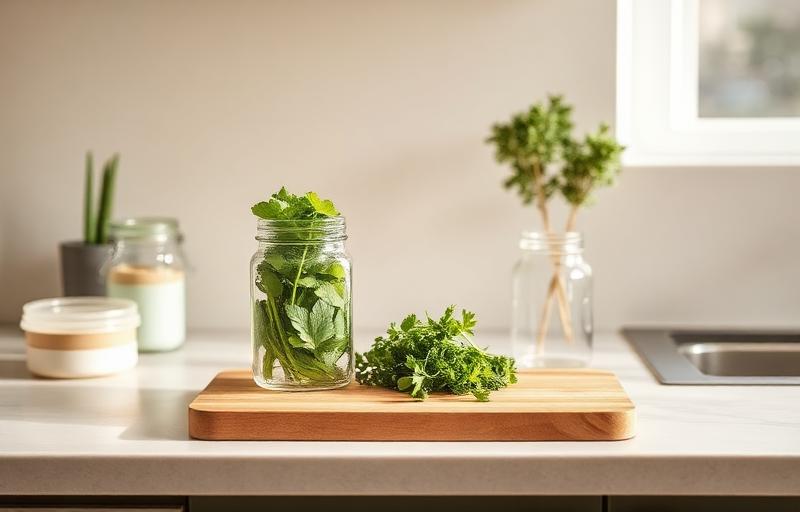
- Set aside only identified, edible vegetable pieces that were washed and handled safely; do not use spoiled, moldy, recalled, or unknown material.
- Check a reliable preparation source before using an unfamiliar leaf, stem, peel, seed, pit, bone, or trimming.
- Bread that was stored safely and shows no mold may be suitable for another recipe; moldy bread should be discarded rather than trimmed and reused.
Prepare Produce Safely
Whether to peel produce depends on the item, recipe, condition, package directions, and household preference. Cleaning is still required even when the peel will be removed.
- Wash hands, rinse produce under plain running water, and gently rub it; use a clean produce brush for firm items.
- Cut away damaged or bruised areas before preparing or eating, and discard produce that is rotten or otherwise unsafe.
The FDA's produce-cleaning guidance provides the preparation boundary used here.
Cook Components That Fit Your Storage
Cooking components can make later meals easier to assemble when the quantity fits your refrigerator or freezer. Choose amounts you can cool, store, and use safely rather than treating a large batch as the default.
- Cook an amount of grain, beans, or another component that fits planned meals and available cold storage.
- Prepare vegetables in a quantity the household can store and use within safe limits.
- Keep raw-animal-food drippings and other higher-risk ingredients separate, and follow safe cooking and storage directions.
Chill and Freeze Food Safely
Freezing can extend storage for many foods, but it does not make food safe if it was already mishandled. Refrigerate or freeze perishables promptly and follow food-specific and appliance guidance.
- Use containers or packaging labeled suitable for freezing, leaving any headspace the product or container requires.
- Divide large amounts of hot food into shallow containers for prompt cooling instead of leaving a large pot at room temperature.
- Label stored food with its identity and date, and retain any instructions needed for safe thawing, cooking, or reheating.
Follow the USDA FSIS guidance for safe leftovers and rapid cooling rather than letting hot food sit out to cool.
The USDA also explains the limits of freezing and food safety, including safe thawing and refreezing conditions.
Choose a Leftover Check-In
A recurring check can help a household notice stored food, but the schedule must follow safe storage limits rather than a fixed weekly rule. Choose a time and reminder method that fits the household.
- Review labels, storage history, package directions, and the food itself before deciding whether an item can be used.
- Do not rely on smell or appearance alone to decide that a perishable food is safe; when safe handling is uncertain, follow authoritative food-safety guidance.
Choose Portions for Your Household
Food needs and appetites vary by person and from one meal to another. If it suits the people eating, smaller initial servings with the option for more can reduce pressure to finish an unwanted portion.
- Adjust recipe quantities when practical, accounting for the number of people, their needs, and any planned leftovers.
- If you intentionally cook extra, divide and refrigerate or freeze it promptly in suitable containers.
- Let people choose an initial portion when possible; avoid treating one serving size or plate as universally appropriate.
Label and Store Food With Context
Labels can record what a stored food is and when it was prepared or opened. Clear containers are optional; the right choice depends on food suitability, available containers, visibility needs, and the information on the original package.
- Use tape, a washable marker, or another accessible method to record contents and a relevant date.
- Use intact food-suitable containers according to their temperature, freezer, microwave, and dishwasher limits; do not assume takeout packaging is reusable for every purpose.
- Keep allergens, lot codes, recalls, date labels, preparation and storage directions, and refrigerator airflow visible or otherwise reliably recorded.
Use the FDA's food-storage guidance for refrigerator temperature, airflow, package directions, covered storage, spoilage, and date-label context.
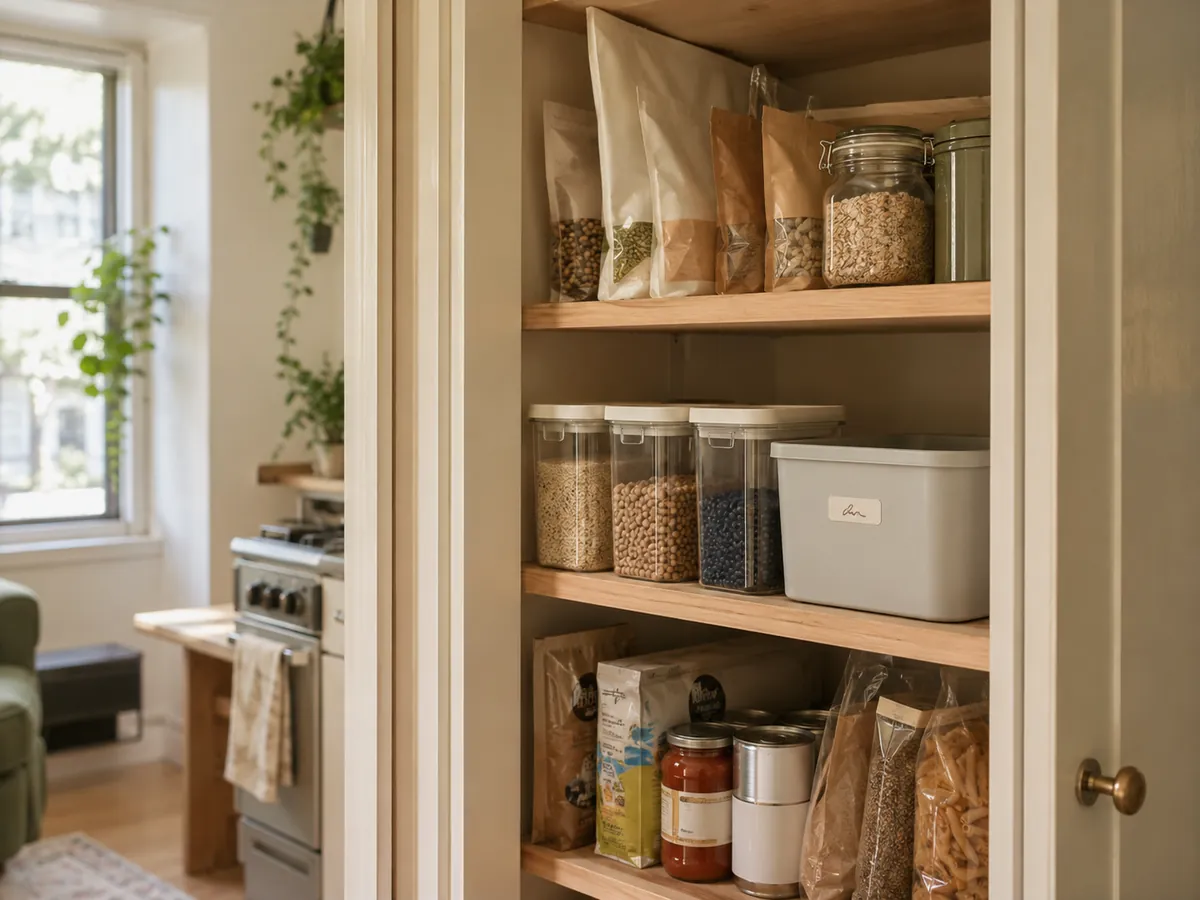
For a fuller visibility and package-information routine, continue with the small-apartment pantry organization guide.
Follow Local Food-Scrap Rules
Some inedible food scraps may have a local collection or processing route. Confirm the destination first because accepted materials, liners, containers, transfer schedules, and access differ by program and building.
- Use only a collection container and location that fit the destination's rules, the container instructions, available space, pests, odor, cleaning access, and household agreement.
- Check local municipal, hauler, drop-off, community-garden, or other operator instructions before including a material.
- If no acceptable route is available, do not imply that a renter must buy equipment, use a freezer, keep scraps outdoors, or obtain landlord approval.
Choose one practice that addresses a real friction point and revise it if it does not fit. The useful result is a safer, more workable food-use routine for this household—not a guaranteed savings, waste, health, or environmental outcome.
The EPA notes that accepted feedstocks vary by facility; review its composting guidance alongside the rules for the service or destination you will actually use.
For inedible scraps, use the apartment composting odor and fruit-fly troubleshooting guide to separate collection, cold staging, worm bins, and bokashi before choosing a method.
Found something we should correct?
Send the article title, the passage in question, and any supporting source through our contact page. Material corrections will be made transparently.