Apartment Composting Odor & Fruit Flies: A Small-Space Fix
Reset a smelly food-scrap bin, address fruit flies, and choose a counter, fridge, freezer, worm-bin, or bokashi routine that fits your apartment.
Published by Eco Tiny Living Hub
Reviewed under our editorial and corrections policy.
If the food-scrap bin already smells or a cloud of tiny flies appears when you open it, start with a reset—not a new gadget. Empty the scraps through a destination that currently accepts them, clean the container and the area around it, then change how long or where you hold the next batch.
No indoor setup is guaranteed odor-free or pest-free. The workable goal is a routine that keeps scraps contained, moves them out on a realistic cadence, and fits the counter, refrigerator, or freezer space you actually have.
Before choosing a method, identify the final destination: a building cart, municipal pickup, staffed drop-off, subscription service, maintained worm bin, or a verified place that can finish bokashi material. Accepted food, liners, and transfer rules vary by program.
Reset a smelly or fly-prone bin
- Move the current scraps to the destination that accepts them. If you do not have one, pause collection until you identify a workable route.
- Wash the empty container with detergent and water, following its care instructions. Hand washing is a complete path; a dishwasher is only an option for dishwasher-safe parts.
- Clean residue from the lid groove, handle, counter, cabinet floor, and nearby spills. Check other possible food sources, including overripe produce and residue around a drain or trash container.
- Let the container dry, then inspect it and any reusable liner for cracks, failed seals, trapped liquid, or lingering residue.
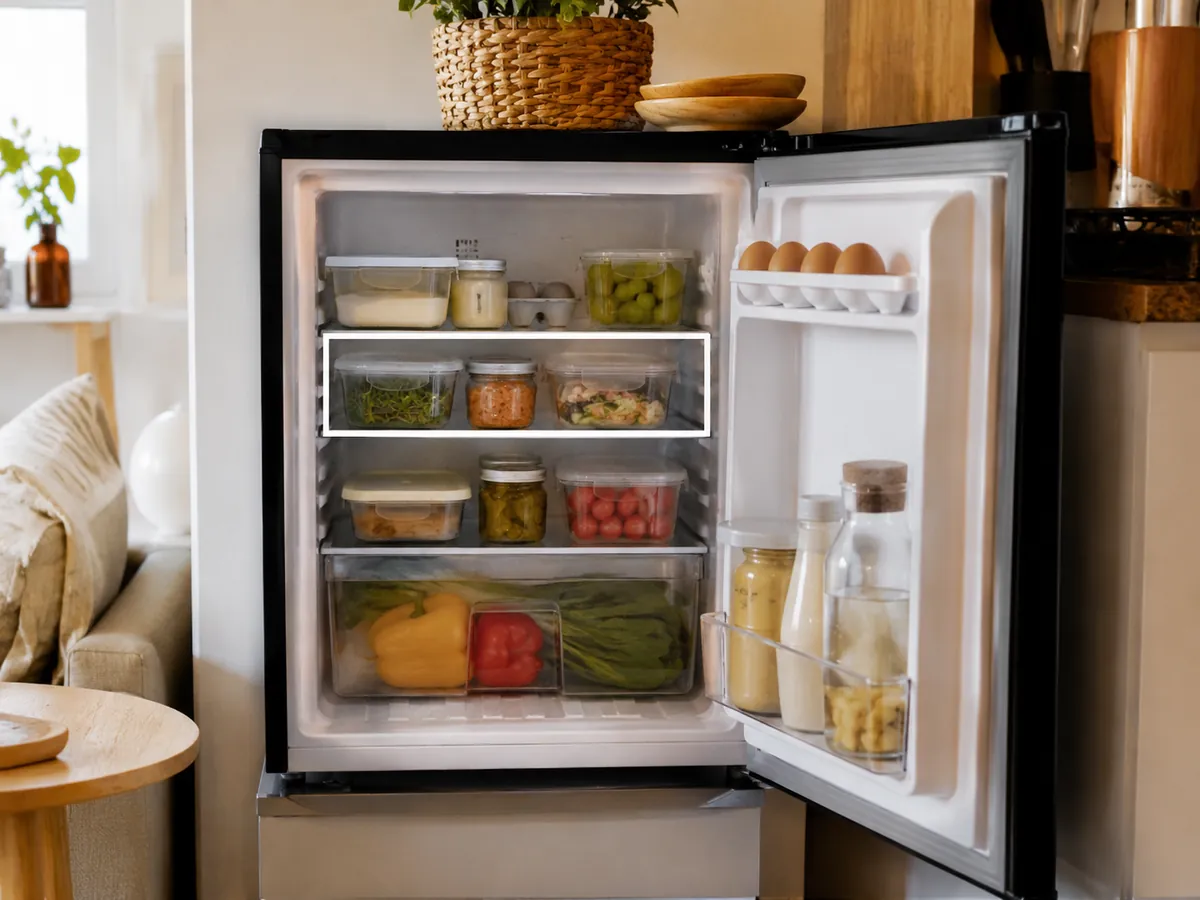
- For the next batch, shorten the time on the counter or move a compatible closed container to the refrigerator or freezer if space permits.
Public collection guidance from Portland and Seattle supports regular emptying and detergent cleaning as practical controls, while local program rules still determine what belongs in the collection stream.
First, separate staging from composting
A countertop pail waiting for pickup is a collection container. It is not an active compost system, so advice about turning a pile or balancing greens and browns does not automatically apply. Its job is to contain scraps briefly and transfer them to the next step.
A worm bin is an active aerobic processing system with bedding, ventilation, moisture, and feeding limits. Bokashi is a sealed fermentation system. Those methods need their own maintenance and a plan for the material they produce.
The U.S. EPA composting guide defines composting as managed aerobic decomposition and distinguishes finished compost from food scraps that have only been collected or processed another way.
Match the symptom to the next check
| What you notice | Check first | Next bounded step |
|---|---|---|
| Sour or rotten odor | How long scraps have been warm; liquid or residue under the liner | Empty through the verified route, wash and dry the pail, then shorten counter time or use cold staging. |
| Tiny flies at the lid | Loose lid, exposed scraps, residue in the rim, nearby produce or spills | Remove and clean the food source, close the next batch, and transfer it sooner. A trap alone does not clean the source. |
| Liquid on the shelf or floor | Crack, tipped container, failed bag, wet scraps | Contain the leak, clean the surface, and switch only to a container or liner permitted by the destination. |
| Odor returns before collection day | The pickup interval is longer than the container's comfortable staging interval | Transfer to an outside cart more often if allowed, refrigerate or freeze a closed compatible container, or choose a more frequent destination. |
| Active worm bin smells | Excess food, blocked air holes, standing moisture, too little bedding | Pause feeding and follow worm-bin guidance; add dry bedding or restore ventilation only for that system. |
| Bokashi smells putrid rather than pickled | Seal, compaction, liquid drainage, or inoculant instructions | Follow the specific system instructions and verify a finishing route; do not treat the output as finished compost. |
Choose a small-space method by destination and upkeep
| Method | What it does | Best fit | Tradeoff to plan for |
|---|---|---|---|
| Closed counter pail | Stages scraps for transfer | A short, reliable removal cadence | Warm scraps and residue may require more frequent emptying and cleaning. |
| Refrigerator container | Cold-stages scraps | Some shelf space and a route that accepts the stored material | Uses food-storage space and still needs a closed, leak-resistant, washable container. |
| Freezer-safe container | Slows microbial activity while staging scraps | Enough freezer room and less frequent transfer | Does not sterilize scraps; the container must be freezer-safe and cleaned after emptying. |
| Worm bin | Processes selected scraps aerobically | Room for bedding and ongoing bin care | Feeding, moisture, airflow, temperature, and accepted inputs need active management. |
| Bokashi system | Ferments food in a sealed container | A renter with a verified finishing route | Requires inoculant, system upkeep, and a destination for acidic pre-compost. |
USDA explains that freezing slows microbial activity rather than destroying every microbe. Long Beach and Portland list freezer staging as an odor-control option in their own collection programs. That supports a cautious “may help,” not a no-smell promise.
If you want to process scraps in a worm bin
Treat the worm bin as a living system, not a storage bucket. Bury accepted scraps in bedding, avoid overfeeding, and respond to standing moisture or blocked ventilation using worm-bin instructions. Do not copy a curbside program's accepted-material list into a worm bin.
Oregon Metro's worm-bin troubleshooting separates odor, fruit-fly, moisture, and ventilation checks for that specific system.
If you are considering bokashi
Washington State University Extension describes bokashi as anaerobic fermentation. The result is pre-compost, not finished compost. Confirm where you can bury or finish it before buying a system; an apartment lease or a collection service should not be assumed to provide that route.
Build the removal routine around a real destination
- Write down the destination, access hours or pickup day, and the current accepted-materials page.
- Check whether the program permits paper, certified compostable bags, no liner, or another specific transfer method. “Compostable” on a package is not permission from the destination.
- Choose a container location and size by the space you can spare and how often you can empty it—not by an unsupported household-size formula.
- Set the transfer cue before the container is full: after dinner on a pickup eve, when leaving for a regular errand, or on another repeatable schedule.
- Keep a fallback. If access changes, pause scraps collection or use an approved waste route rather than storing an indefinite backlog indoors.
Roommates or housemates can agree on the destination, what goes in, who transfers it, and what happens when the container leaks or smells. That is a practical coordination suggestion, not evidence that one routine works for every shared home.
Clean the container with or without a dishwasher
Empty the container, remove any filter or detachable part according to its instructions, wash with mild detergent and water, rinse, and let it dry before adding new scraps. Hand washing is sufficient when done according to the container's care instructions. Use a dishwasher only when every part you put inside is labeled dishwasher-safe.
Austin's public food-scrap collector instructions explicitly include both hand washing with mild soap and water and a dishwasher path. This article keeps both so the setup does not depend on owning a dishwasher.
Sources, context, and what this guide does not claim
Technical guidance was checked against U.S. EPA and USDA material, university composting guidance, and official local collection programs. Local pages are examples of bounded practices, not nationwide rules. This guide does not promise zero odor, guarantee pest prevention, provide tenant-rights advice, or recommend a universal container capacity.
The complete ETLH editorial and corrections policy explains how to flag a source or passage that should be reviewed.
Choose one next Eco Step
Do one reset and one cadence change: wash and dry the current container, then decide exactly when the next batch leaves the apartment. If that still fails, change the staging location or destination before buying another bin.
For the kitchen around the bin, use the small-apartment pantry visibility guide to keep use-first food visible without treating containers as the whole solution.
If most scraps begin as forgotten ingredients, continue with practical low-waste food-use habits before evaluating a purchase.
Found something we should correct?
Send the article title, the passage in question, and any supporting source through our contact page. Material corrections will be made transparently.